Healthy skin often begins with simple daily habits.
Many people believe they need expensive products or complicated routines to keep their skin clear, but gentle and consistent care can make a big difference.
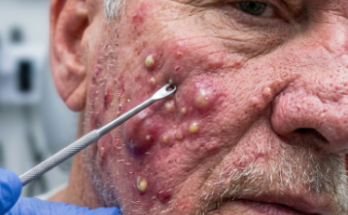
Acne can affect people of all ages, and while every person’s skin is different, a balanced approach to skin care may help reduce breakouts and support a fresh, comfortable appearance.
One of the most important habits for acne prevention is washing the face regularly. Dirt, oil, sweat, and makeup can build up during the day and may clog pores. Using a mild facial cleanser in the morning and evening helps remove these impurities without causing unnecessary dryness. Harsh scrubbing can irritate the skin, so it is usually better to clean the face gently with fingertips and lukewarm water.
Keeping the skin hydrated is another simple step that many people overlook. Some individuals avoid moisturizer because they think it may make acne worse, but dry skin can sometimes produce even more oil. Choosing a lightweight, non-greasy moisturizer can help maintain balance and keep the skin feeling soft and smooth. Products labeled as non-comedogenic are often designed to avoid blocking pores.
Daily habits outside of skin care can also influence the appearance of the skin. Touching the face frequently may transfer oil and bacteria from the hands to the skin. Keeping hands clean and avoiding unnecessary touching may help support clearer skin. It is also helpful to wash pillowcases, towels, and makeup brushes regularly since these items can collect dirt and oil over time.
Sun protection is another valuable part of a simple skin care routine. Spending time outdoors without protection may lead to dryness and irritation for some people. Applying a gentle sunscreen that is suitable for facial use can help protect the skin from environmental stress. Many lightweight sunscreen products are available for people who prefer a comfortable feel on the skin.
A balanced lifestyle may also support healthy-looking skin. Drinking enough water throughout the day can help the body stay refreshed, while getting enough sleep may support overall wellness. Stress management is important as well because stress can sometimes affect skin appearance. Relaxing activities such as walking, reading, or enjoying quiet time may help create a healthier daily routine.
Food choices may also play a role in how the skin looks and feels. Eating a balanced diet with fruits, vegetables, and nutritious meals can support general health. While no single food guarantees perfect skin, maintaining healthy eating habits may help the body function at its best.
Patience is important when starting a skin care routine. Results often take time, and changing products too often may irritate the skin. Gentle consistency is usually more helpful than using many strong treatments at once. By following simple habits and caring for the skin with kindness, many people can enjoy a cleaner and healthier appearance over time.