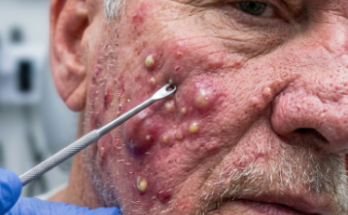
Clear skin often feels like something complicated or out of reach, but in reality it usually comes down to simple, consistent habits rather than expensive routines or harsh treatments.
A simple guide to skin clarity starts with understanding that your skin is an organ that responds to how you treat your body each day.
When you support it gently and regularly, it naturally becomes more balanced, calm, and clear over time.
One of the most important foundations for clearer skin is keeping your cleansing routine gentle and consistent. Many people believe that stronger cleansers or frequent washing will remove impurities faster, but this can actually strip the skin of its natural barrier. When the barrier is weakened, the skin may produce more oil or become irritated, leading to breakouts or uneven texture. Using a mild cleanser once in the morning and once at night is usually enough for most skin types. The goal is not to make the skin feel tight or dry, but clean and comfortable.
Hydration also plays a key role in maintaining clarity. Skin that is properly moisturized tends to function better and repair itself more effectively. Even oily skin needs hydration, though it benefits more from lightweight, non-comedogenic formulas. When the skin is dehydrated, it may overcompensate by producing excess oil, which can contribute to clogged pores. Drinking enough water throughout the day also supports the skin from the inside, helping it maintain a fresh and healthy appearance.
Another important part of achieving clearer skin is being mindful of daily habits that can affect it. Touching the face frequently, for example, can transfer dirt and oil from the hands to the skin, increasing the chance of breakouts. Changing pillowcases regularly and keeping phone screens clean can also reduce unnecessary exposure to bacteria. These small actions may seem minor, but they add up over time and can make a noticeable difference.
Nutrition is another supportive factor in skin clarity. A balanced diet that includes fruits, vegetables, whole grains, and healthy fats helps provide the vitamins and minerals the skin needs to renew itself. While no single food guarantees perfect skin, consistently nourishing the body creates a stronger foundation for long-term improvement. At the same time, paying attention to how certain foods affect your skin can help you make more informed choices that suit your individual needs.
Stress management is often overlooked but deeply connected to skin health. When the body experiences stress, it can produce hormones that trigger oil production and inflammation, which may lead to breakouts. Simple relaxation practices such as taking breaks, sleeping well, or engaging in calming activities can support not only mental well-being but also skin balance.
Finally, patience is essential in any journey toward clearer skin. Results rarely happen overnight, and switching products too often can confuse the skin rather than help it. A steady routine, combined with gentle care and realistic expectations, is often the most effective approach.
A simple guide to skin clarity is really about balance. When you treat your skin with consistency, avoid unnecessary harshness, and support your overall health, it naturally moves toward a clearer and more radiant state over time.