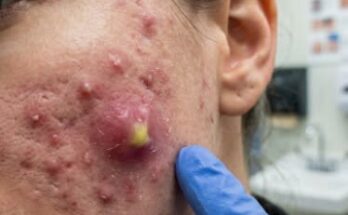
Healthy eating patterns play an important role not only in supporting overall well-being but also in maintaining the natural glow and comfort of the skin.
The foods you choose each day can influence how your skin looks, feels, and responds to environmental stress.
When meals are balanced, varied, and consistent, the body receives the nutrients it needs to support healthy skin function from the inside out.
A helpful approach to healthy eating begins with focusing on whole and minimally processed foods. Fresh fruits, vegetables, whole grains, lean proteins, and healthy fats can work together to provide essential vitamins and minerals. These nutrients contribute to skin structure and renewal. For example, fruits and vegetables offer antioxidants that help the body manage everyday environmental exposure, while whole grains provide steady energy that supports balanced bodily functions throughout the day.
Hydration is another key part of both healthy eating and skin wellness. Drinking enough water throughout the day helps maintain moisture balance in the skin and supports natural processes that remove waste from the body. While hydration needs may vary from person to person, developing a consistent habit of drinking water with meals and between them can make a meaningful difference over time.
Balanced meals are also important for maintaining stable energy levels, which can indirectly support skin health. When meals include a combination of carbohydrates, protein, and healthy fats, the body is better able to regulate energy and avoid sharp fluctuations. This stability can contribute to a more consistent and calm appearance of the skin. Including sources of healthy fats such as nuts, seeds, avocados, and fish can further support the skin’s natural barrier, helping it retain moisture and maintain a smooth texture.
In addition to nutrition, daily habits also influence skin wellness. A gentle skincare routine that includes cleansing, moisturizing, and sun protection can complement healthy eating patterns. Cleansing helps remove dirt and excess oil, while moisturizing supports hydration at the surface level. Protecting the skin from excessive sun exposure is also important, as long-term exposure can affect the skin’s overall condition.
Sleep and stress management are additional factors that often work alongside diet to support skin health. A regular sleep routine allows the body time to rest and recover, which may contribute to a more refreshed appearance. Managing stress through relaxation techniques, light physical activity, or quiet time can also help maintain balance in the body, which may be reflected in the skin.
Consistency is one of the most important aspects of both healthy eating and skin care. Rather than relying on short-term changes, building steady habits over time can create more lasting results. Simple daily choices, such as including vegetables in meals, drinking enough water, and following a gentle skincare routine, can gradually support overall wellness.
By combining nutritious eating patterns with mindful lifestyle habits, it becomes easier to support both internal health and external skin appearance. Over time, these small but meaningful choices work together to encourage a healthier, more balanced, and naturally vibrant look.