Pimples are a common part of life, and almost everyone experiences them at some point.
When one appears, it can be tempting to touch, squeeze, or pick at it, especially if it feels noticeable or uncomfortable.
However, understanding what happens beneath the skin and how your actions can affect it is important before you decide to interfere.
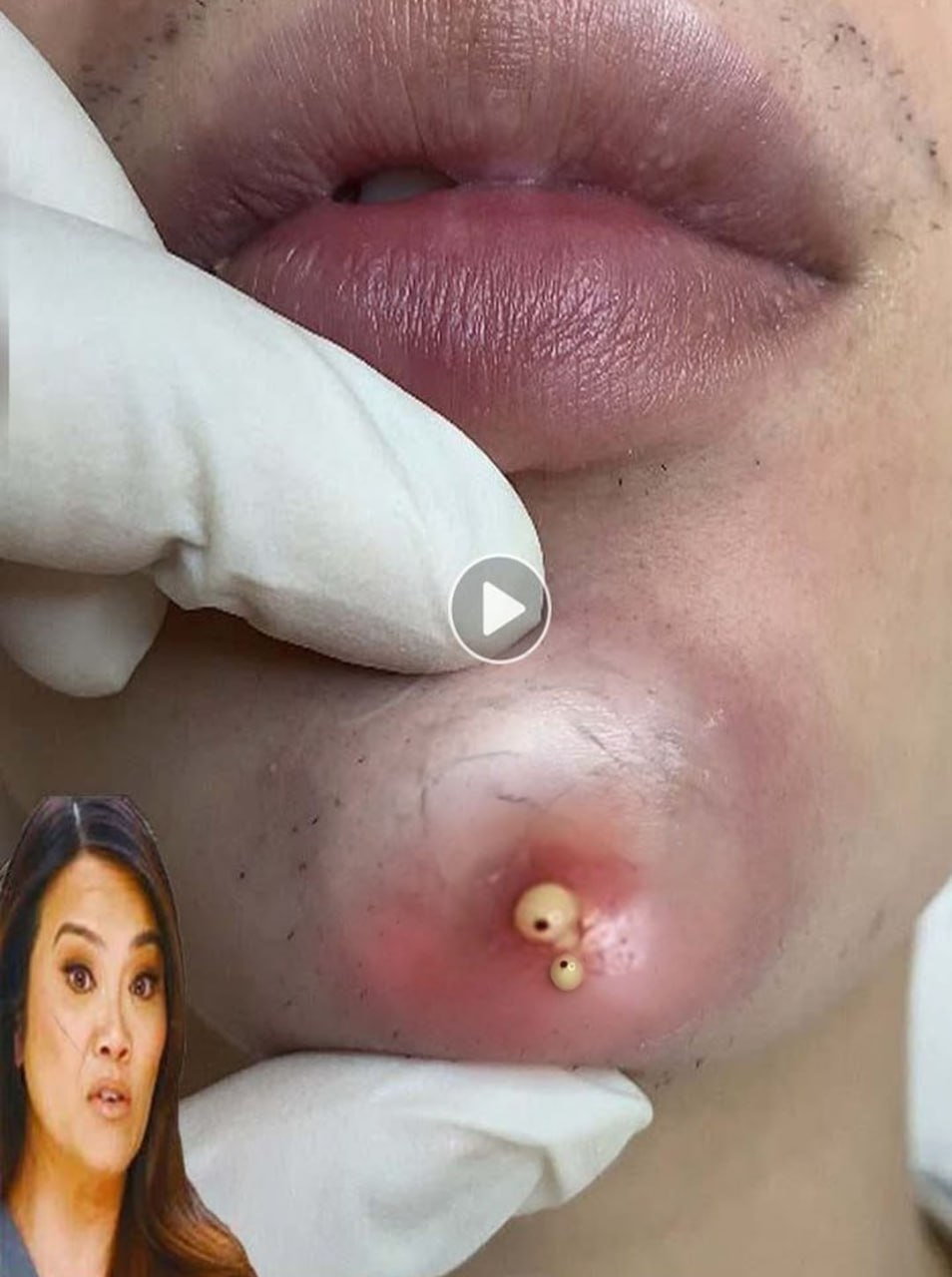
A pimple forms when pores become clogged with oil, dead skin cells, and sometimes bacteria. This creates a small, inflamed area that the body is actively trying to heal. When you touch a pimple with your fingers, you may introduce additional dirt or bacteria, even if your hands look clean. This can make the area more irritated and may slow down the natural healing process.
Another important point to consider is that squeezing a pimple can push its contents deeper into the skin rather than removing them completely. This can lead to more redness, swelling, or even the formation of a larger blemish. In some cases, it may also increase the chance of leaving a mark behind after the pimple heals. Being patient with your skin often leads to better results than trying to rush the process.
The skin on your face is delicate, and repeated touching can disrupt its natural balance. Gentle care is usually the best approach. Washing your face regularly with a mild cleanser, avoiding harsh scrubbing, and keeping your hands away from your face as much as possible can support healthier-looking skin over time. Simple habits like these can make a noticeable difference without causing extra stress to your skin.
It is also helpful to understand that not all pimples are the same. Some may heal quickly on their own, while others take more time. Giving your skin space to recover allows it to follow its natural cycle. If you feel the urge to touch your face, try redirecting that habit by focusing on other activities or keeping your hands busy. Small changes in behavior can help reduce unnecessary contact with your skin.
For those who are concerned about how their skin looks, there are gentle ways to care for it without picking. Keeping your skin clean, staying hydrated, and using products suited to your skin type can help maintain a balanced appearance. Choosing non-irritating products and being consistent with your routine often provides better long-term results than quick fixes.
It is perfectly normal to want clear and smooth skin, but being mindful of how you treat your skin is key. Touching pimples may seem like a quick solution, yet it often creates more challenges than it solves. By understanding the effects and choosing a gentler approach, you give your skin the best chance to recover naturally.
In the end, patience and care go a long way. Treat your skin with kindness, avoid unnecessary touching, and trust that small, consistent habits can help support a healthier appearance over time.