Taking care of skin with pimples and blackheads does not have to be complicated. A gentle, consistent routine can help keep the skin feeling clean, comfortable,
and fresh while supporting a healthy-looking appearance. Instead of trying many products at once, it is often better to focus on simple habits that are easy to maintain.
One helpful starting point is gentle cleansing. Washing the face with a mild cleanser can remove everyday dirt, excess oil, and impurities without making the skin feel overly dry. Use lukewarm water and avoid scrubbing the face aggressively. Rough rubbing can leave the skin feeling irritated, especially when pimples are already present.
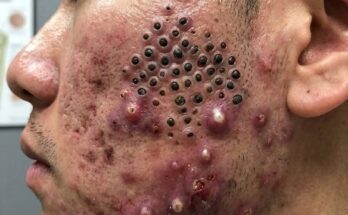
Blackheads can be frustrating because they often appear around the nose, forehead, or chin. They develop when pores become clogged with oil and dead skin cells. Although it may be tempting to squeeze them, frequent picking or pressing can irritate the skin and may leave temporary marks. A patient approach with gentle cleansing and suitable skin care is usually a more comfortable choice.
Moisturizing is another important part of a balanced routine. Even skin that becomes oily can benefit from a lightweight moisturizer. Keeping the skin comfortable can help prevent the dry, tight feeling that sometimes occurs after cleansing. Look for products described as non-comedogenic if you are concerned about clogged pores.
Sun protection is also worth including in daily skin care. A broad-spectrum sunscreen can help protect the skin from everyday ultraviolet exposure. Choosing a formula that feels comfortable and works well with your skin type can make it easier to use consistently.
It is also useful to introduce new skin care products slowly. Using several active products at the same time may make it difficult to know which product is working well or causing discomfort. Start with a simple routine and give your skin time to adjust. If a product causes significant redness, burning, swelling, or persistent irritation, stop using it and consider speaking with a qualified skin care professional.
Everyday habits can support a healthy skin routine as well. Changing pillowcases regularly, keeping phones and frequently touched items clean, and avoiding unnecessary touching of the face can all be sensible hygiene practices. Eating a varied diet, drinking enough water, getting adequate rest, and managing daily stress can also contribute to overall well-being.
Most importantly, healthy-looking skin takes time. Pimples and blackheads are common skin concerns, and progress may not happen overnight. Gentle care, consistency, and realistic expectations can make a routine easier to follow.
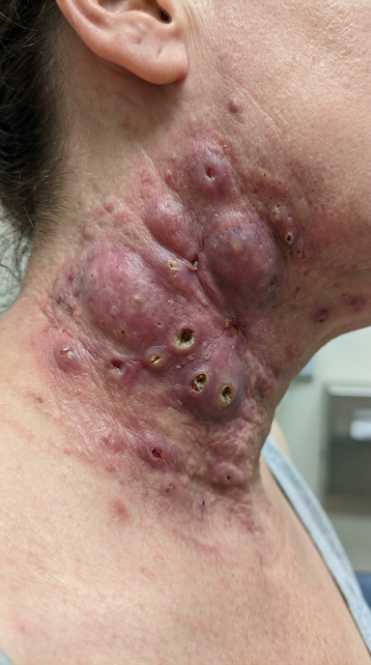
If breakouts become persistent, painful, widespread, or difficult to manage, professional advice can provide personalized guidance. A dermatologist or other qualified health professional can help identify suitable options based on individual skin needs. With simple habits and patient care, it is possible to create a comfortable routine that supports healthier-looking skin every day.