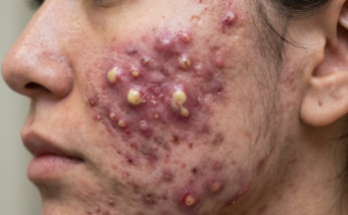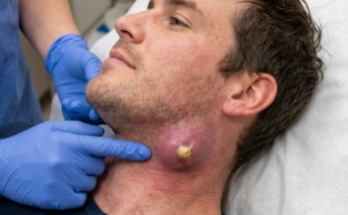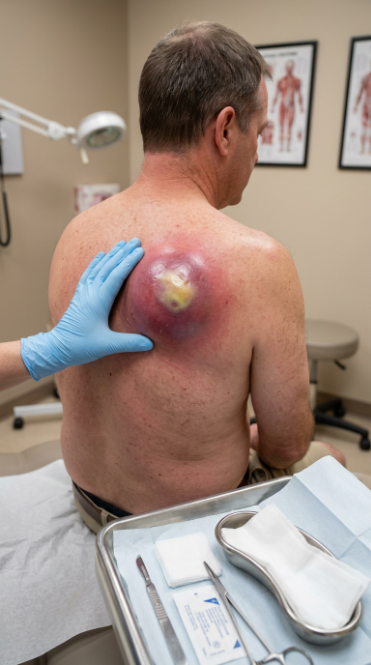
Pimples and blackheads are common skin concerns that can appear at different stages of life. They may show up unexpectedly and sometimes become frustrating,
especially when you are trying to keep your skin looking fresh. Understanding why these changes happen can make daily skin care feel easier and less stressful.
Your skin naturally produces an oily substance called sebum, which helps keep it soft and protected. When oil, dead skin cells, and everyday impurities collect around a pore, the pore can become blocked. A blocked pore may develop into a blackhead or a pimple. Blackheads are often dark in appearance because the material inside the pore reacts with air. The dark color does not necessarily mean the skin is dirty.
Pimples can look different from one person to another. Some may appear as small raised spots, while others may be more noticeable and uncomfortable. Changes in hormones, stress, sweating, personal skin characteristics, and certain products can all influence how the skin behaves. Because everyone’s skin is different, a routine that works well for one person may not produce the same results for another.
One of the simplest ways to support healthier-looking skin is to keep cleansing gentle. Washing the face with a mild cleanser can help remove excess oil, sweat, and daily buildup without making the skin feel overly dry. Scrubbing too hard may leave the skin feeling irritated, so a soft and consistent approach is generally more comfortable.
It can also be helpful to avoid frequently touching or squeezing pimples and blackheads. Picking at the skin may cause additional irritation and can make temporary marks more noticeable. Instead, give the skin time to settle and maintain a simple routine that you can follow consistently.
Moisturizing is another useful part of everyday skin care. Even skin that becomes oily can benefit from appropriate moisture. Look for products that feel comfortable and suit your skin type. During the daytime, protecting exposed skin from the sun is also an important part of maintaining an even and healthy-looking appearance.
Daily habits can support your overall skin routine as well. Getting enough rest, staying hydrated, eating a varied diet, changing pillowcases regularly, and cleaning items that frequently touch the face can all contribute to good personal care. These habits are not instant solutions, but they can help create a healthier environment for your skin over time.
Most importantly, try not to judge yourself because of occasional pimples or blackheads. Skin naturally changes, and having an imperfect complexion is completely normal. If persistent or troublesome skin changes are affecting your comfort or confidence, consider speaking with a qualified dermatologist or other skin-care professional for personalized guidance.
Understanding your skin is less about finding a perfect routine and more about learning what helps it feel comfortable. With gentle care, patience, and consistent everyday habits, you can give your skin the attention it deserves while keeping your approach simple and positive.