Taking care of skin when pimples appear can feel confusing, especially with so many strong products and quick-fix claims available.
It is easy to think that harsher treatments will bring faster results, but in many cases, a gentle approach is far more effective and supportive for long-term skin health.
Treating your skin with care rather than force allows it to recover naturally while reducing the risk of irritation.
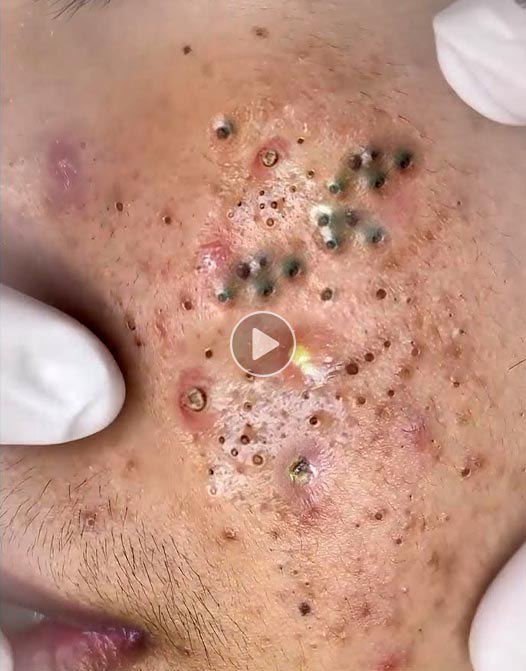
Pimples often develop when pores become clogged with oil, dead skin cells, and impurities. This process can be influenced by hormones, stress, or environmental factors. When the skin is already in a sensitive state, aggressive scrubbing or using overly strong products can make things worse. Instead of calming the skin, harsh methods may strip away its natural barrier, leading to dryness, redness, and even more breakouts.
A gentle routine begins with simple cleansing. Washing your face with a mild cleanser helps remove dirt and excess oil without disrupting the skin’s balance. It is important to avoid scrubbing too hard or washing too frequently, as this can trigger the skin to produce more oil. Lukewarm water and a soft touch are often enough to keep the skin clean and comfortable.
Moisturizing is another essential step that is sometimes overlooked when dealing with pimples. Many people worry that adding moisture will make their skin oilier, but the right lightweight moisturizer can actually help maintain balance. When the skin feels hydrated, it is less likely to overproduce oil, which can reduce the chances of clogged pores.
Consistency also plays a key role in gentle care. Rather than switching between multiple products or trying new treatments every few days, sticking to a simple routine allows the skin time to adjust and improve. Results may not appear overnight, but gradual progress is often more stable and lasting. Patience can prevent unnecessary stress on the skin and help avoid cycles of irritation.
Another important aspect of gentle care is being mindful of habits. Touching the face frequently or picking at pimples can introduce bacteria and slow the healing process. Allowing blemishes to heal naturally, with minimal interference, supports healthier skin over time. Small changes in daily behavior can make a noticeable difference.
Lifestyle factors also contribute to skin condition. Getting enough rest, staying hydrated, and maintaining a balanced diet can support the body’s natural processes, including skin renewal. While these habits may not eliminate pimples instantly, they create a supportive environment for clearer skin to develop.
Choosing a gentle approach does not mean ignoring skincare altogether. It means focusing on balance, respect, and understanding what the skin needs. By avoiding harsh treatments and giving the skin space to recover, you create conditions that encourage improvement without unnecessary irritation.
In the end, gentle care works best because it aligns with how the skin naturally functions. Instead of forcing rapid changes, it supports gradual healing and resilience. Over time, this approach can lead to healthier, calmer skin that feels more comfortable and easier to manage.