Dealing with pimples can feel frustrating, especially when they appear at inconvenient times or seem slow to fade.
Many people hope for quick fixes, but healthy skin rarely improves overnight.
Patience plays an important role in treating pimples effectively, helping to protect the skin from unnecessary damage while supporting long-term improvement.
Pimples often develop due to a combination of natural factors such as excess oil production, clogged pores, and bacteria. Because these processes take time to form, they also require time to heal. Trying to rush the process by using too many products or applying harsh treatments can irritate the skin and make the situation worse. Gentle care, combined with consistency, is usually more helpful than aggressive methods.
One of the main reasons patience matters is that the skin needs time to respond to any routine. When starting a new cleanser or cream, it may take several days or even weeks before visible changes appear. This does not mean the product is ineffective. Skin cells renew gradually, and improvements often happen beneath the surface before they become noticeable. Giving treatments enough time allows the skin to adjust and respond naturally.
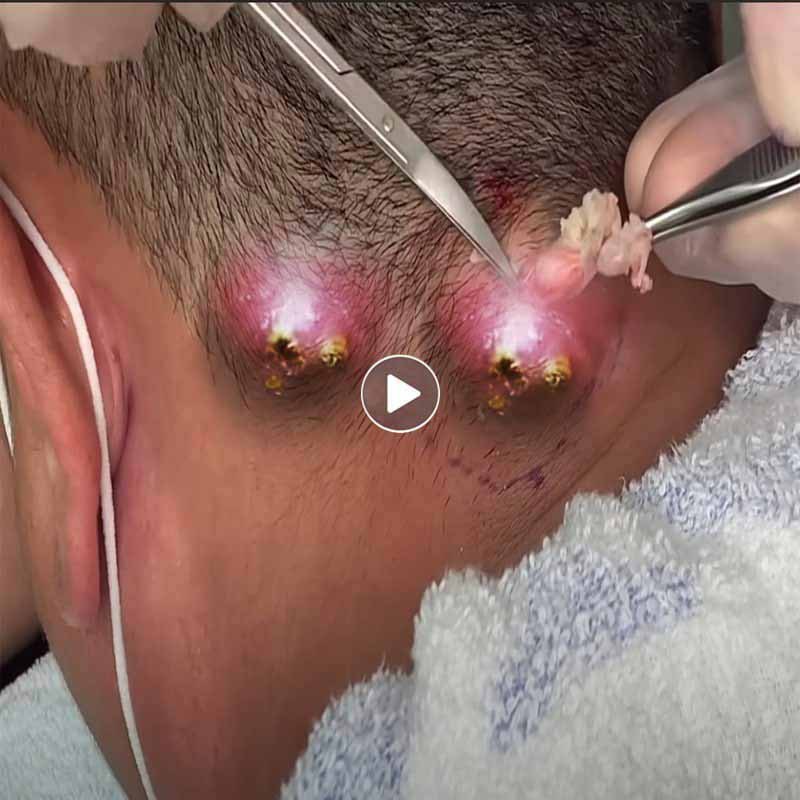
Another important point is that picking or squeezing pimples can lead to unwanted effects. While it may seem like a quick solution, this habit can push bacteria deeper into the skin, increasing redness and slowing healing. It can also raise the risk of marks or uneven texture. Choosing to leave pimples alone, even when it is difficult, supports better recovery and helps maintain smoother skin over time.
Patience also encourages a more balanced approach to skincare. Instead of frequently switching products in search of instant results, sticking to a simple and gentle routine can reduce irritation. Washing the face with mild products, keeping hands clean, and avoiding excessive touching are small habits that make a difference when practiced consistently. These steady efforts often lead to more reliable improvements than sudden changes.
In addition, emotional patience is just as important as physical care. Pimples can affect confidence, especially during times when appearance feels important. Understanding that breakouts are a common experience can help reduce stress. When people accept that healing takes time, they are less likely to feel discouraged or pressured to try extreme solutions.
It is also helpful to remember that everyone’s skin is different. What works quickly for one person may take longer for another. Comparing results can create unrealistic expectations, which may lead to impatience. Focusing on personal progress instead of quick results helps build a healthier relationship with skincare.
In the end, patience supports both the health and appearance of the skin. By allowing treatments time to work, avoiding harsh actions, and maintaining consistent habits, it becomes easier to manage pimples in a gentle and effective way. Clearer skin is often the result of steady care rather than instant change, and a patient approach helps create results that last.